I started noticing something different about three years ago.
Players weren’t just transferring anymore. They were playing for two, sometimes three different programs during their college careers. The numbers tell the story better than I can: nearly 5,000 men’s basketball players entered the transfer portal in a single cycle.
My first reaction wasn’t anger. It was curiosity.
What would this mean long-term for the students? For the teams trying to build something that lasts longer than a single season?
The Wake-Up Call Nobody Wanted
I watch programs struggle with this shift every day. My vantage point gives me something coaches buried in the chaos don’t always have: perspective.
The old playbook assumed loyalty. You recruited a freshman, developed them for four years, built relationships that deepened over time. Culture emerged naturally from continuity.
That playbook is dead.
When Nick Saban retired and Tony Bennett walked away from Virginia basketball in 2024, they both pointed to the same thing. Bennett said it plainly: “The game and college athletics is not in a healthy spot.”
Saban didn’t want to learn how to re-recruit his own roster at age 72. I don’t blame him.
What Actually Breaks First
The financial disparity hits teams harder than people realize.
Top athletes like Texas quarterback Arch Manning command NIL valuations of $5.4 million. His teammates grinding through the same practices, making the same sacrifices? Many get nothing.
You can’t build team chemistry when one player makes more in endorsements than the entire coaching staff combined while the guy next to him in the locker room gets zero.
Women’s college softball faces this differently. Star players generate less media attention than football or basketball, but the comparison dynamic still operates. When Oklahoma’s Jayda Coleman built significant NIL value through social media presence while teammates with equal on-field contributions earned far less, programs had to navigate the same tension with different dollar amounts.
The comparison dynamic operates viciously in athletic contexts. Performance metrics are public. Playing time is visible. Everyone knows who gets what.
Research shows this financial resentment translates directly to competitive disadvantage. Reduced effort during practice. Diminished sacrifice for teammates. Fractured locker room relationships.
The Programs That Figured It Out
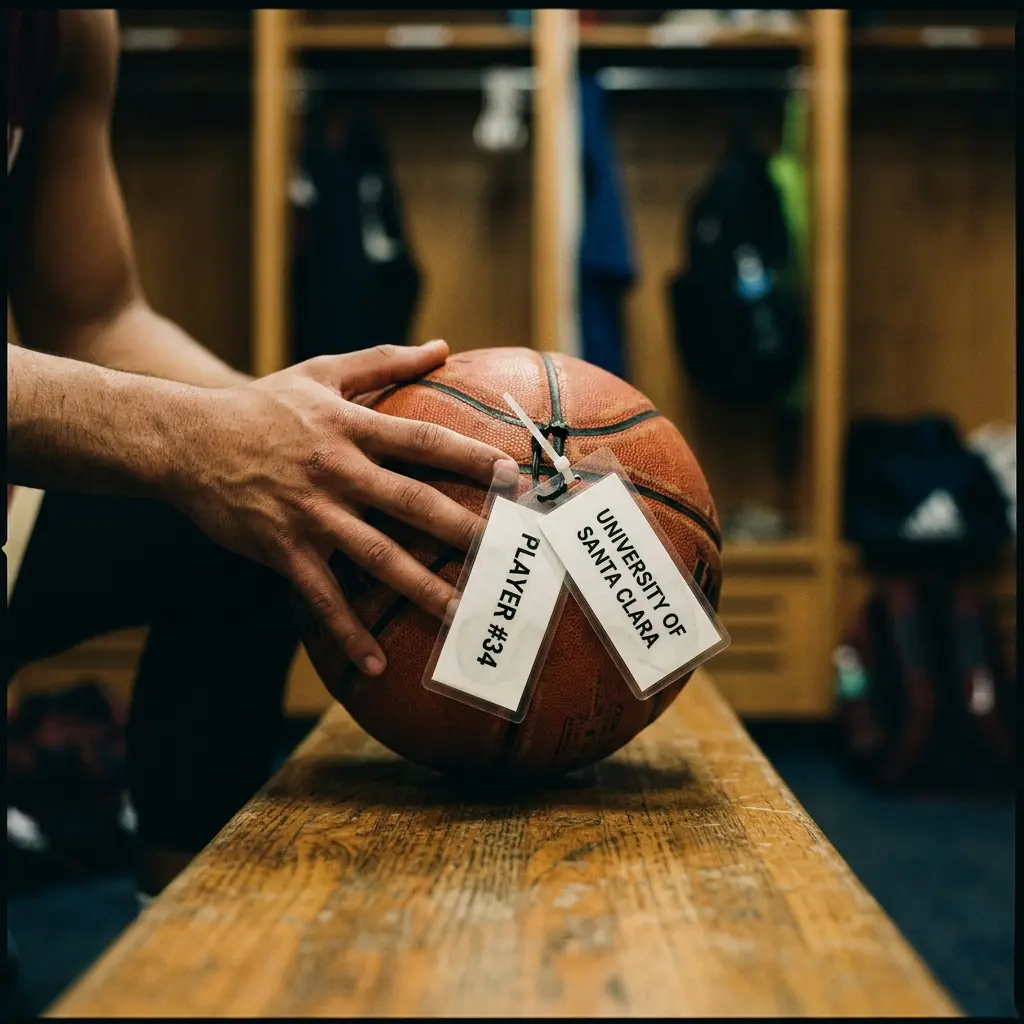
Santa Clara University made the NCAA Men’s Basketball Tournament in March 2026 for the first time since 1996.
They didn’t do it with a massive NIL collective or nine-figure athletics budget. Head coach Herb Sendek built the program around player development, team cohesion, and culture that kept core players committed.
Oklahoma softball under Patty Gasso offers another blueprint. Despite roster changes and NIL pressures, they won three consecutive national championships (2021-2023) by building culture around relentless standards and collective identity. Players transfer in, but they adapt to the culture, not the other way around.
Gasso doesn’t fight the new reality. She engineers systems that integrate new players quickly while maintaining non-negotiable expectations that define what it means to be a Sooner.
They competed at a fraction of the cost of blue-blood programs by optimizing dimensions that money doesn’t directly control. Coaching quality. Player relationships. Team chemistry.
That’s the counterintuitive part everyone misses.
Roster instability forces you to build better culture, not worse.
When you can’t rely on four-year continuity, you get intentional about onboarding. You create formalized mentorship structures. You invest in team-building experiences that create shared identity beyond athletics.
You stop assuming culture will just happen and start engineering it.
What I’m Still Figuring Out
Houston basketball coach Kelvin Sampson captured the reality perfectly: “This is not something that you can agree with or not agree with. You better understand it. It’s here to stay.”
He’s right. We’re all learning in real time.
The uncertainty is the defining feature. On3’s Ari Wasserman said on The Paul Finebaum Show: “I think that we have lost sight of the fact that we are in a highly evolutionary period right now. I don’t think that anybody really knows anything.”
That honesty matters.
The questions keeping me up: What happens to the athletes who don’t land anywhere? Only 37% of Division II athletes who entered the transfer portal actually matriculated to another school. More than half never found a new home.
We told them to chase opportunity. Then we left them behind.
The Shift Nobody Talks About
The skills required for coaching success have fundamentally changed.
You need tactical expertise, sure. But now you also need organizational psychology. Conflict resolution. Cultural architecture. Relationship management at CEO level.
NFL coaches are sounding alarms about the player pool coming out of college. One defensive line coach called this year’s interior defensive lineman class “the worst D-tackle group in 10 years.”
His explanation: “So many guys are transferring around, going to two schools, three schools. Also, being scared to train guys and push them too much because they’ll get in the portal.”
Development takes time. Transfers optimize for immediate playing time. Those two realities collide.
Texas Tech softball shows the other side. In 2024, they lost multiple key players to the transfer portal mid-season despite a strong start. Head coach Craig Snider faced the reality that even successful programs aren’t immune—players see opportunities elsewhere and leave, regardless of team chemistry or competitive success.
The portal gives athletes options. But it also creates constant instability for programs trying to develop cohesive units.
What Actually Works
Programs thriving in this environment share common traits. But the devil is in the details, how they actually implement these strategies matters more than the strategies themselves.
They establish transparent cultural values as non-negotiable organizational pillars.
Gonzaga basketball under Mark Few doesn’t just talk about “team-first” culture. They operationalize it. Incoming players, whether freshmen or transfers, go through a structured orientation where veteran players explain the “Zag way.” Not coach-speak. Player-to-player transmission of culture.
They assign cultural mentors to every newcomer. Not just basketball mentors. Cultural guides who teach the unwritten rules, explain why certain traditions matter, introduce them to the community relationships the program has built over decades.
Work ethic. Accountability. Team-first mentality. These aren’t poster slogans. They’re screening criteria for both recruitment and retention. If a player doesn’t fit culturally, they don’t come, regardless of talent.
South Carolina women’s basketball under Dawn Staley takes a similar approach. Despite being a national powerhouse with multiple championships, they don’t just recruit talent, they recruit culture fit. Staley is known for having difficult conversations with transfers before they commit, making sure they understand the program’s expectations around selflessness, accountability, and team-first play. Players who want individual accolades over team success don’t make it through the door.
They create internal NIL collectives with team-performance incentives.
Some programs are getting creative here. Instead of letting NIL purely reward individual social media followings, they’re structuring group licensing deals that distribute revenue based on team success.
Iowa football’s Swarm Collective, for example, includes team-based bonuses tied to wins, academic achievement, and community service participation. A star quarterback still makes more individually, but everyone benefits when the team wins.
This aligns financial incentives with team outcomes. It creates economic motivation for cultural cohesion rather than individual optimization.
Oklahoma State has taken this further with their “Pokes with a Purpose” initiative, connecting NIL opportunities to measurable contributions to team culture, mentorship, leadership in practice, community engagement. Players earn compensation for building the culture, not just performing on game day.
They invest in psychological and emotional support infrastructure.
Michigan football expanded their mental performance staff significantly in 2023. Not just one sports psychologist for 100+ athletes. A full team with dedicated support for navigating NIL decisions, transfer considerations, identity formation, and life transitions.
They offer confidential one-on-one counseling about transfer portal decisions. The message: “We want you here, but we’ll help you make the best decision for you, even if that means leaving.”
Counterintuitively, this transparency builds trust. Athletes who feel supported holistically develop stronger institutional attachments beyond purely athletic or financial factors.
Stanford’s approach includes “life skills workshops” every month, financial literacy, personal branding, career exploration, relationship building. They’re not just developing athletes. They’re developing adults who feel invested in beyond their sport.
Athletes who feel supported holistically develop stronger institutional attachments beyond purely athletic or financial factors.
They formalize onboarding like Fortune 500 companies.
Texas A&M football treats every transfer like a new executive hire. There’s a 30-60-90 day integration plan. Assigned peer mentors. Scheduled one-on-ones with position coaches, strength staff, academic advisors, even former players who transferred in successfully.
They don’t assume transfers will “figure it out.” They engineer assimilation.
Within 30 days: Learn team terminology, meet every coach individually, connect with academic support, understand NIL compliance.
Within 60 days: Integrate into position group socially, participate in team community service, attend team-building event, have coffee with three non-football staff members.
Within 90 days: Lead one team meeting or drill, mentor a younger player, articulate team values back to coaching staff.
This sounds corporate because it is. But it works. Transfers integrate faster, contribute sooner, and stay longer.
They create legacy programs that connect present to past.
Alabama football doesn’t just celebrate championships. They create rituals that connect current players to the program’s history. Former players come back regularly, not for photo ops, but to mentor, to share stories, to remind current players they’re part of something bigger than one season.
Every freshman and transfer visits the team’s museum-quality trophy room with a veteran player, not a coach. Players teach players what it means to be a Crimson Tide football player.
UCLA softball has “legacy dinners” where current players host former All-Americans. They don’t talk strategy. They talk about what the program meant to them personally, how being a Bruin shaped their lives beyond softball, why the relationships mattered more than the wins.
These aren’t feel-good extras. They’re strategic culture investments that create emotional attachment that NIL money alone can’t replicate.
They communicate openly about the portal instead of treating it like a taboo.
Wisconsin basketball under Greg Gard holds “real talk” sessions monthly. Players can ask anything about NIL, transfer windows, playing time projections, roster changes.
Coaches don’t hide recruiting plans or portal activity. They explain their thinking: “We’re recruiting a transfer point guard because we need depth, not because we don’t believe in you.”
This transparency prevents speculation, reduces paranoia, builds trust. Players don’t wonder if coaches are secretly trying to replace them. They know where they stand.
Some programs even help players explore transfer options if the fit isn’t right. Notre Dame football has been known to make calls on behalf of players who want to leave, connecting them with programs that might be better fits.
The message: “We want committed players, not trapped players.”
The Uncomfortable Truth
This mirrors broader societal shifts toward individual empowerment and reduced institutional loyalty.
College athletics is experiencing the same forces that reshaped corporate employment. Lifetime organizational commitment has been replaced by continuous career optimization.
The programs that resist this reality will get left behind.
The programs that embrace it and reimagine team culture as something actively cultivated rather than passively inherited will find competitive advantage.
I’m watching this transformation accelerate. The financial stratification emerging will likely create a two-tiered system where cultural cohesion becomes a luxury good.
But here’s what gives me hope: Organizations compelled to articulate and actively build culture often emerge stronger than those that relied on tradition alone.
The chaos is forcing better leadership.
You just have to be willing to learn in public. To admit you don’t have all the answers. To build systems that create belonging when loyalty can’t be assumed.
That’s the work now.