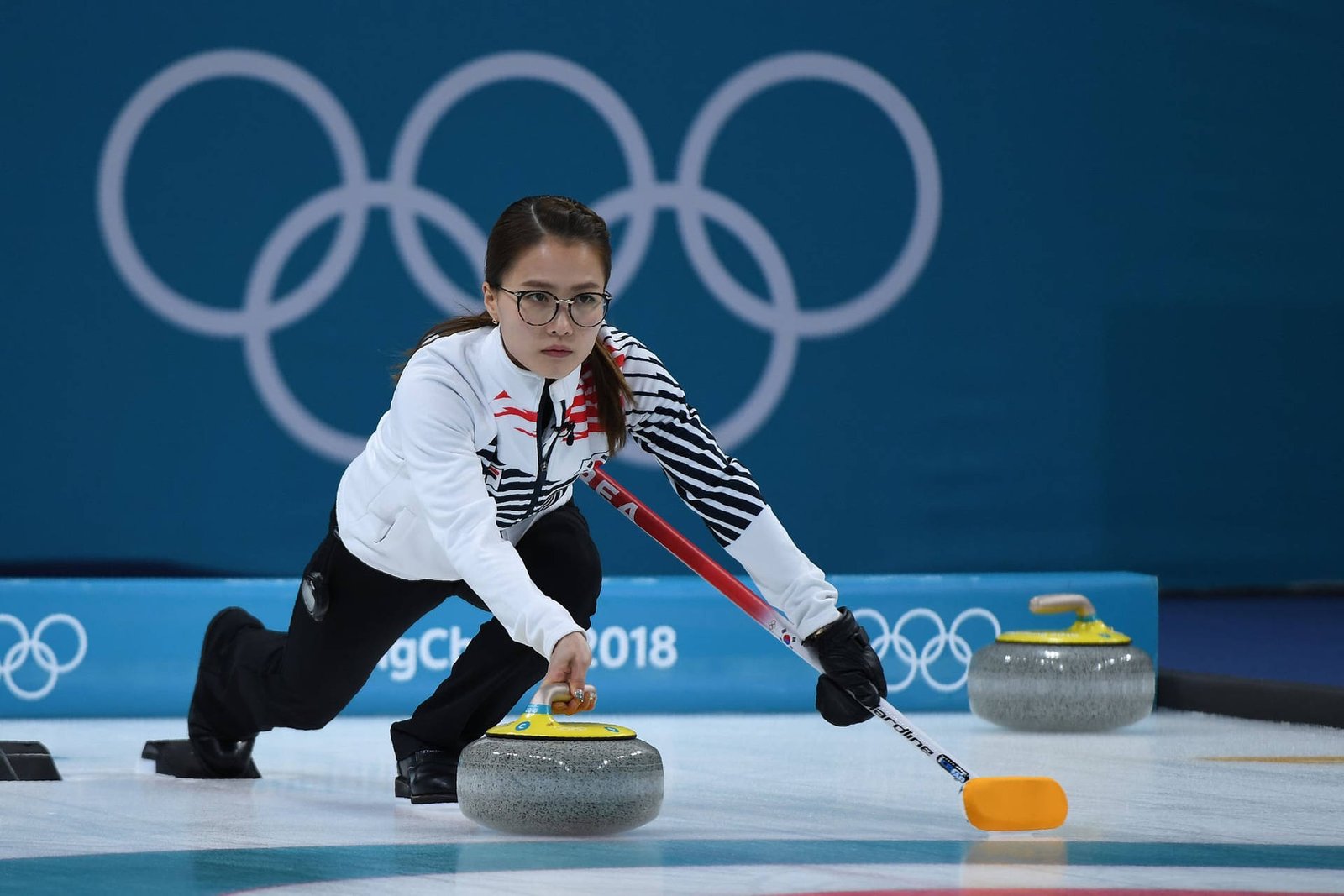
I have a confession to make. I love the Olympics and so does my family! I remember as a kid being allowed to stay up later to watch events. And as you may know, the Winter Olympics officially kick off today with the opening ceremonies, although some events have already started.
When we watch Olympic athletes, it’s easy to be mesmerized by talent.
The speed. The strength. The precision under pressure.
But what we rarely see is everything that came before the moment they step onto the podium. The missed attempts. The empty training sessions when no one was watching. The decision to show up again, especially when the outcome was uncertain.
That part hits close to home for me.
There was a stretch in my career when things felt stalled. We had gone through several mergers and on paper, everything looked fine. But internally, it felt like I was running the same race over and over, putting in effort without seeing the progress I expected.
I kept thinking, Maybe confidence will come when things finally click.
It didn’t.
What came instead was pressure. Doubt. A growing voice asking, What if this doesn’t work out?
That’s when I realized something Olympic athletes understand deeply:
Confidence isn’t something you wait for. It’s something you build.
And you don’t build it by avoiding fear, you build it by acting with intention through fear.
A positive mindset doesn’t mean pretending the pressure isn’t real. It means choosing to believe progress is possible even when fear, doubt, and fatigue show up uninvited.
And that mindset isn’t reserved for elite athletes. It shows up just as powerfully at work, at home, and in leadership.
Here are three things Olympic athletes do consistently, and how they changed the way I show up.
1. Focus on What’s Controllable
Olympic athletes can’t control judges, weather, or competitors. They control preparation, effort, and response.
When I felt stuck, I had to ask myself: Where am I spending energy on things I can’t influence?
Action you can take today:
- Identify one situation causing frustration
- Write down what’s outside your control
- Circle what is inside your control, and take one small step there
Progress accelerates when attention is intentional.
2. Reframe Setback as Feedbck
Athletes don’t label missed attempts as failures. They treat them as data.
I used to replay mistakes with judgment. Over time, I learned to replay them with curiosity.
Action you can take today:
- When something doesn’t go as planned, ask: What did this teach me?
- Adjust one thing and try again
Growth happens faster when ego steps aside.
3. Visualize Success Before it Shows Up
Elite athletes rehearse success mentally long before results appear physically. So do effective leaders.
Before tough conversations, big presentations, or difficult decisions, I now spend time visualizing calm, clarity, and follow‑through.
Action you can take today:
- Spend 60 seconds visualizing a positive outcome for something you’re avoiding
- Then take the first step, imperfectly
Mental reps matter more than we think.
Positivity isn’t a soft skill. It’s disciplined optimism practiced daily.
It’s choosing belief over resignation. Action over avoidance. Progress over perfection.
And just like Olympic athletes, we don’t earn confidence by waiting, we earn it by showing up when it would be easier not to.
Where could a more intentional mindset change how you’re showing up right now?